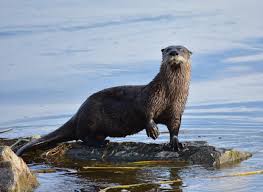
Rosbovidrio the River Otter
Look out for a very exciting skeletonization coming soon!! Thanks to Luis, Silvia & Andrew for this cool discovery....
Look out for a very exciting skeletonization coming soon!! Thanks to Luis, Silvia & Andrew for this cool discovery....
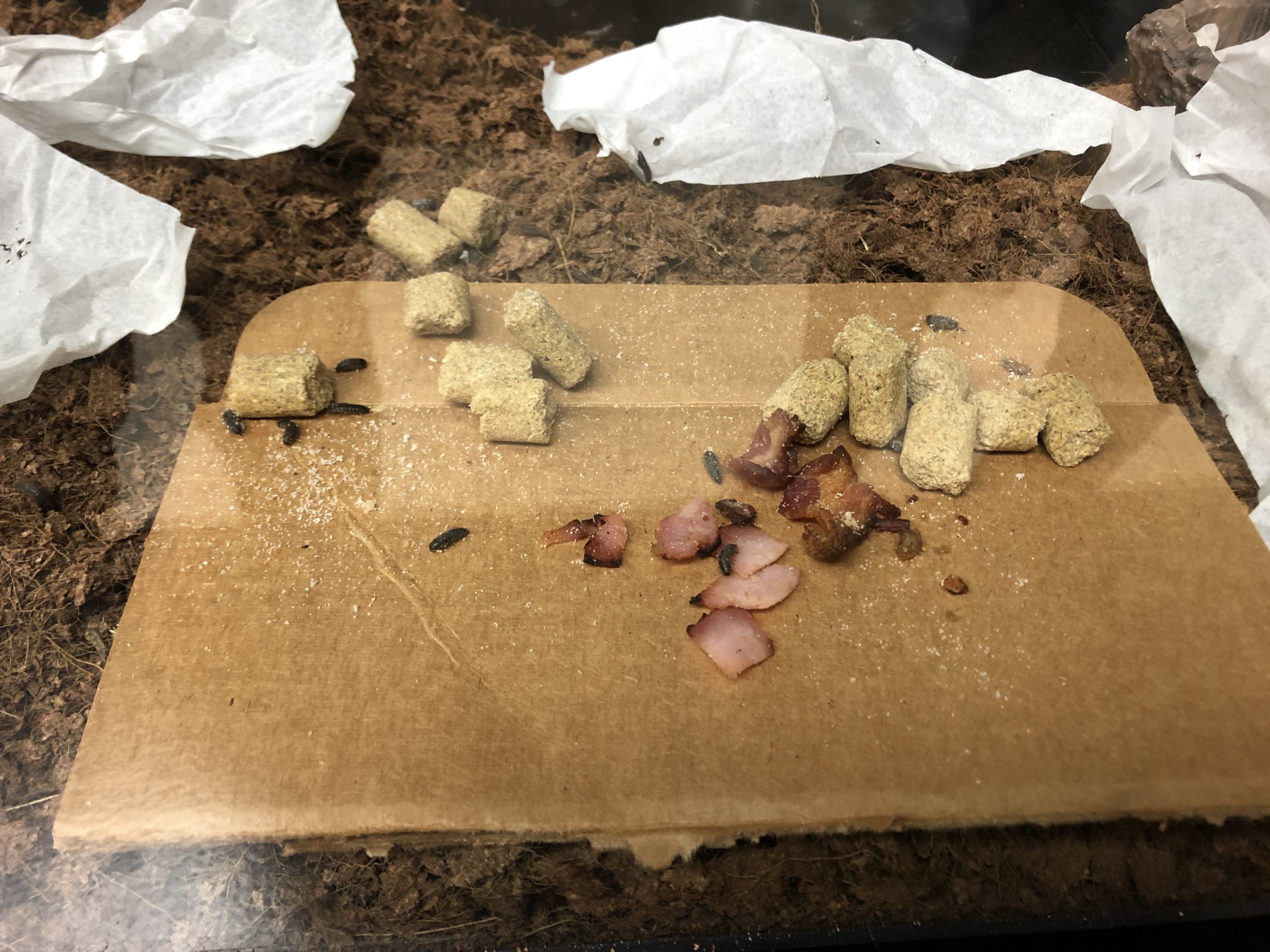
We’d like to warmly welcome the latest addition to our lab, a new colony of dermestid beetles. These beetles primarily feed on carrion, and are referred to as flesh-eating beetles*. We plan to use these beetles to make some beautiful skeletons. We will use the skeletons of known species to compare with our fossils...
have concluded for the Fall Semester. They will be starting back January 17 2:30 – 4:30 pm Fossil Fridays (formerly Fossil Wednesdays) will begin on Friday, January 17th from 2:30 – 4:30 pm: Become a fossil hunter and help discover how communities have changed through time. Experience what it is like to be a...
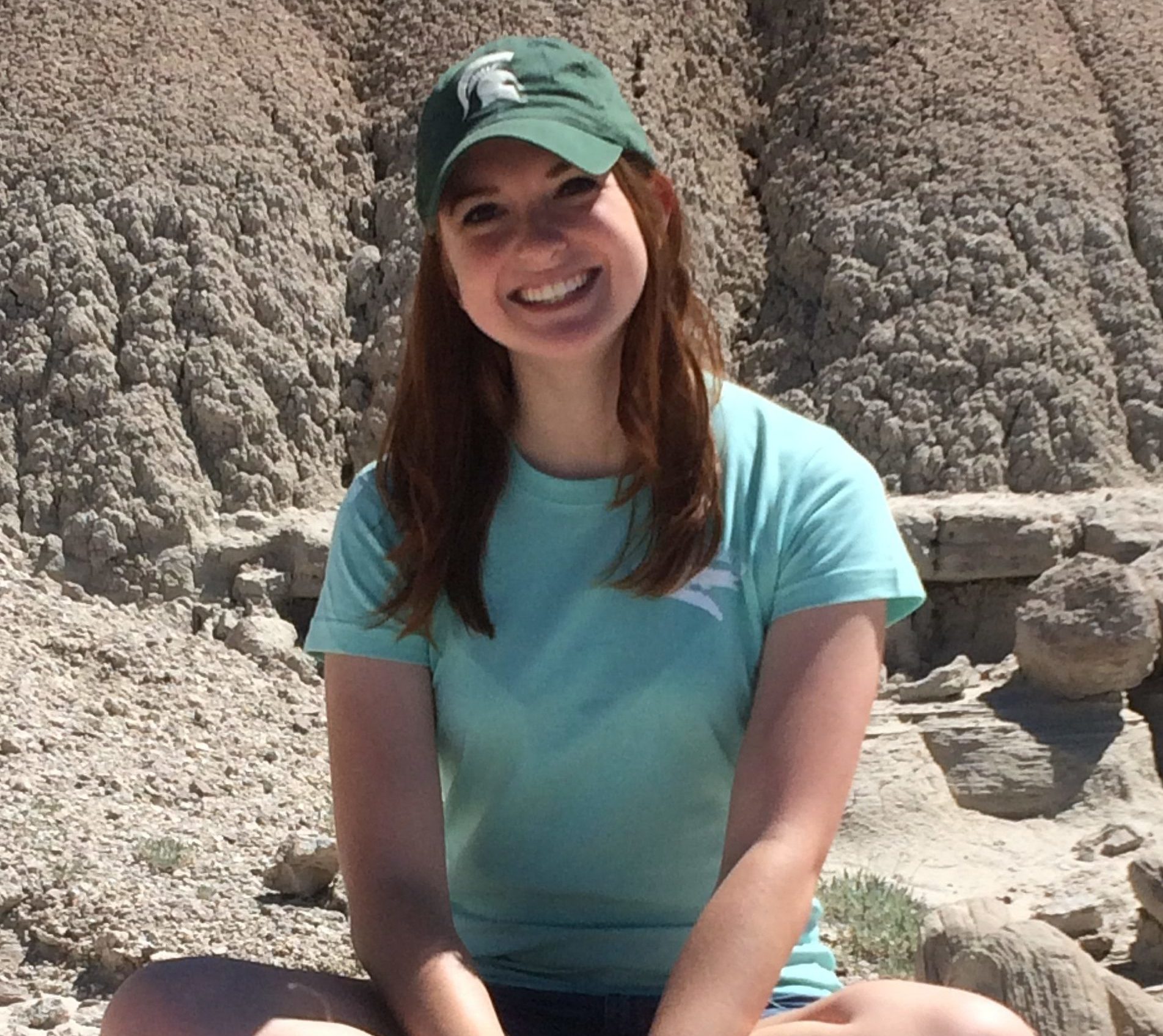
Julia joins the lab this fall as a SoBS PhD student. She has previously studied small mammal community responses to past climate, as well as their ability to estimate past climatic conditions. She is interested in expanding the understanding of how fossil communities have responded to past climate events to help inform us about...
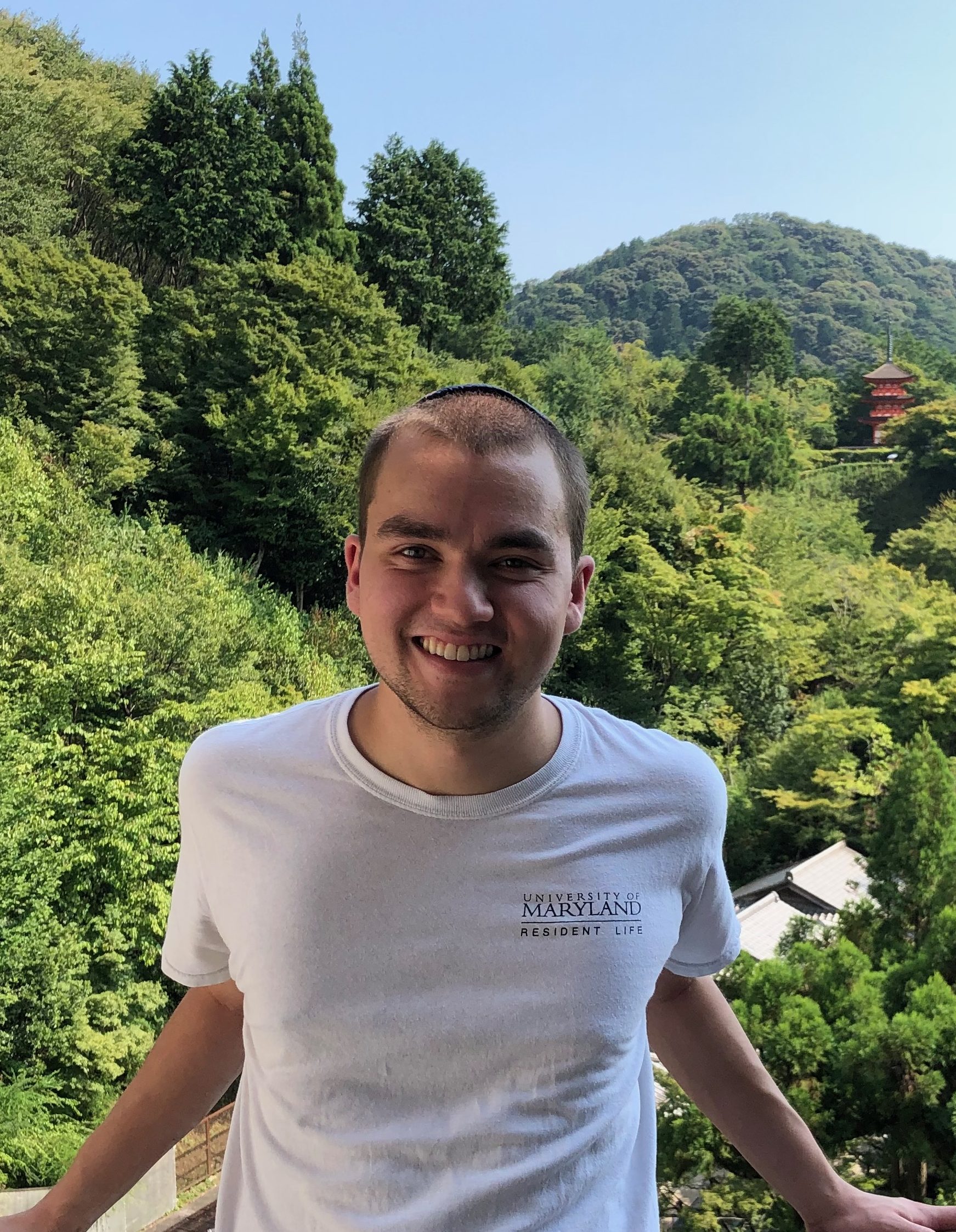
Danny comes to us through the Quantitative Biosciences Program here at GT. He is interested in the interface between data science/machine learning and ecology, and looks forward to applying these disciplines to his PhD research. Daniel received his B.S. in Environmental Science and Policy from the University of Maryland, College Park, in 2017....
Fossil Wednesdays have ended for the Summer. We are trying to submit some papers & get some excellent work done in the meantime. Keep an eye here for when we officially start back! We look forward to exploring with you again soon!...
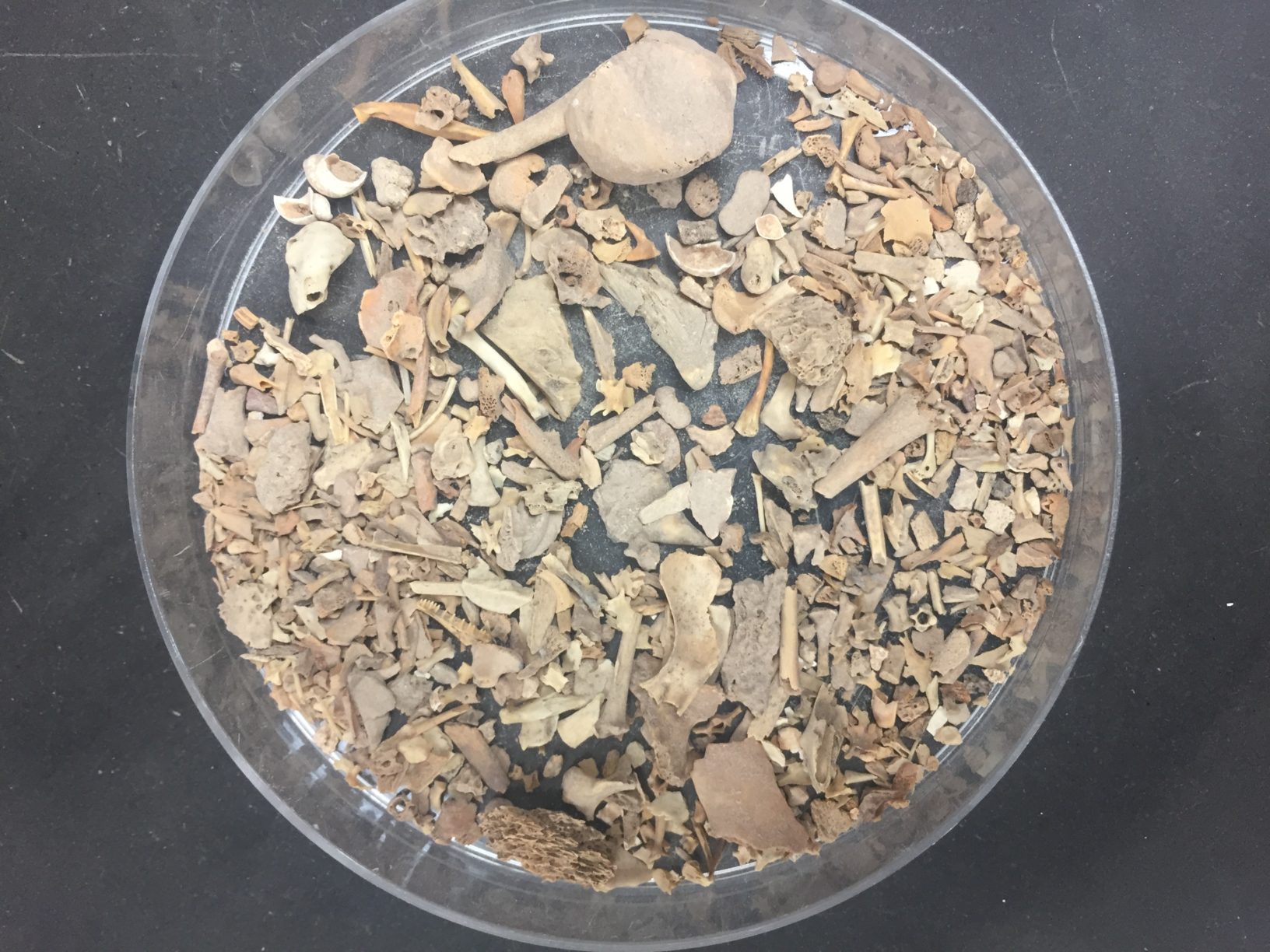
Fossil Wednesdays! will resume January 23, 2019 3-5 pm 326 Cherry Emerson Building, Georgia Tech Resuming January 23rd: become a fossil hunter and help discover how communities have changed through time. Experience what it is like to be a paleontologist, finding and identifying new specimens. You will be picking 3,000- to 30,000-year-old fossil specimens...
The leadership group for iCCB had our next-to-last meeting in Berlin in December to plan our next moves for creating a new project known as CPiA (Conservation Paleontology in Africa). We are scheduling a meeting in Nairobi for June to finalize the details of this exciting outreach initiative and begin collecting data that will...
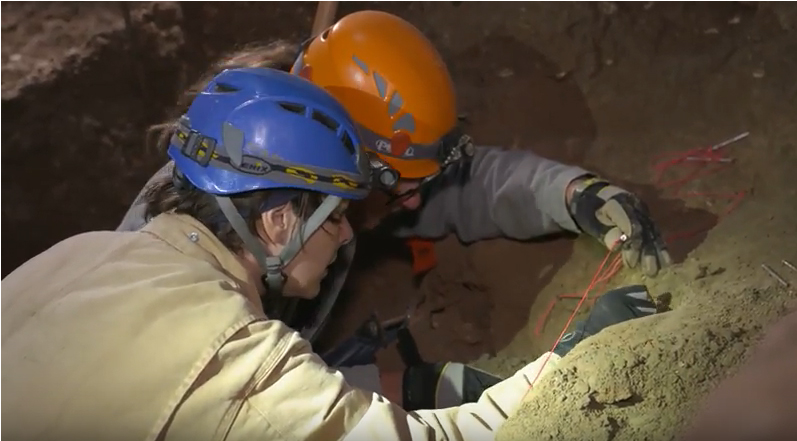
In collaboration with Julie Meachen (Des Moines University), we have received funding to conduct two more seasons of field work at Natural Trap Cave. We plan to perform additional excavations, particularly to fill out our microvertebrate data. We will also do a survey of the microvertebrates living in the vicinity of the cave, both...
I’m pleased to announce that Allen Hyde and I have received a seed grant through Georgia Tech’s Climate Change Fellows program to allow us to work with students from the Climate Resilience class to write up our work on “An integrated analysis of climate resilience in social-ecological systems in the southeastern United States”. We...